


Bringing Missing Voices Into the Classroom
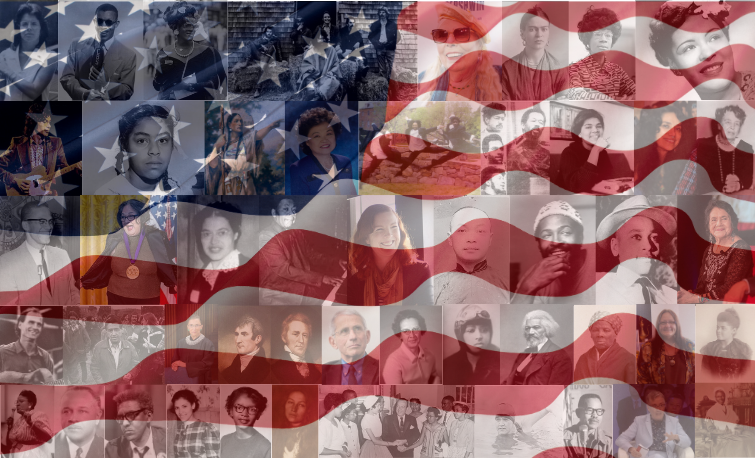
Key stories are still missing from many U.S. history classrooms—stories that reflect the lives and contributions of Indigenous leaders, enslaved people, immigrant communities, LGBTQ+ activists, and others too often left out.
Many U.S. history classrooms still leave out key voices—Indigenous leaders, enslaved people, immigrant communities, LGBTQ+ activists, and others whose stories shaped the country. Recent decisions by institutions like the Smithsonian to scale back exhibits on race, gender, and political conflict have added to concerns about how public memory is shaped and whose experiences are represented.
This collection offers classroom-ready, standards-aligned lessons that help educators bring those missing narratives into focus. The resources fit easily into existing curriculum and give students space to analyze primary sources, study lived experiences, and make connections between past events and current debates.
The lessons cover topics such as:
- Anti-racism and the impact of white supremacy
- LGBTQIA+ history and rights, including stories like Marsha P. Johnson’s
- Latinx identity, disability, and intersectionality, featuring voices too often left out of textbooks
- Indigenous resistance and immigration, from rethinking Columbus to debating imperialism
- Art and protest as political expression, including music’s role in activism
- Modern censorship, AI bias, and digital misinformation, such as this hands-on misinformation experiment
Some lessons also include strategies for addressing sensitive or contested content, especially in schools where inclusive materials face scrutiny.
This collection will continue to grow as we add new lessons, educator guides, and student activities—especially in areas where historical stories are being challenged or removed from public view.
Have an idea for a lesson? Let us know: Contact Us