

. Skip to main content
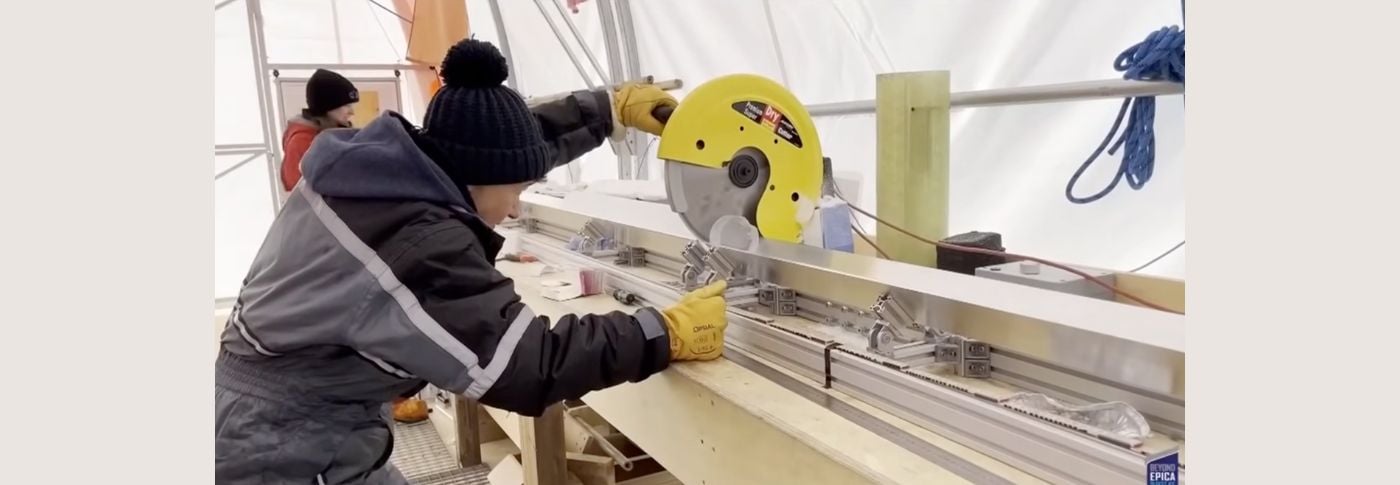
Scientists examine an ancient ice core in Antarctica.

Scientists examine an ancient ice core in Antarctica. Photo credit: PBS

What Antarctic Ice Cores Tell Us About Climate Past and Future

December 19, 2025

What Antarctic Ice Cores Tell Us About Climate Past and Future

How antarctic ice holds clues about earth’s climate history and future
Share

Share On Facebook
Share On Twitter
Share On Pinterest
Share On LinkedIn
Email

Note: If you are short on time, watch the video and complete this See, Think, Wonder activity: What did you notice? What did the story make you think? What would you want to learn more about?

Scientists say they have tapped into an extraordinary archive of the Earth’s climate in the ice deep beneath Antarctica. They hope it will help them understand both how the climate changed in the past, how it’s changing now and how it may change in the future. John Yang reports.

View the transcript of the story.

Remote video URL

Warm-Up Questions

  1. Where did the scientists described in this story drill for ancient ice core samples?
  2. Why did the scientists choose that location?
  3. How does the ice sample help scientists understand the climate of the past?
  4. Who is Richard Alley, and what is his background?
  5. What is important about understanding the way climate changed over the past million years, according to Alley?

Essential Questions

At the end of this segment, climate scientist Richard Alley says, "The models that simulate the climate, as we make decisions about the energy system, we want them to be as good as possible. And by checking them against the ice core records, we can see what they do well, what we maybe need to improve a little bit, so we can make sure that the knowledge that goes to the policymakers and the public is as good as possible."

  • What do you think Alley means when he talks about making "decisions about the energy system? What decisions do you think he's talking about?
  • Do you think climate data from these historical records might help shift policy decisions about energy and climate? Why or why not?
  • Media literacy: What else would you like to know to better understand how the climate has changed over the past million years? How could you find out?

Extension Activity

Read the following article from the Associated Press about the ice sample: "Antarctic scientists drill 2 miles down to reach 1.2 million-year-old ice"

Then discuss:

  • What new facts did you learn that were not in the video segment?
  • Scientists were able to determine that the ice at the lowest level of drilling (1.7 miles deep) was 1.2 million years old. What does this suggest about the climate of Antarctica 1.2 million years ago?

Lesson Plans on Climate Change

Explore more resources for educators to find a wide-range of relevant preK-12 lessons on climate change or supporting young people as they continue to lead the conversation around the climate change crisis.

Republished with permission from PBS News Hour Classroom.

PBS News Hour Classroom
PBS News Hour Classroom helps teachers and students identify the who, what, where and why-it-matters of the major national and international news stories. The site combines the best of News Hour's reliable, trustworthy news program with lesson plans developed specifically for... See More
Advertisement

Post a comment

Log in or sign up to post a comment.