




About This Lesson
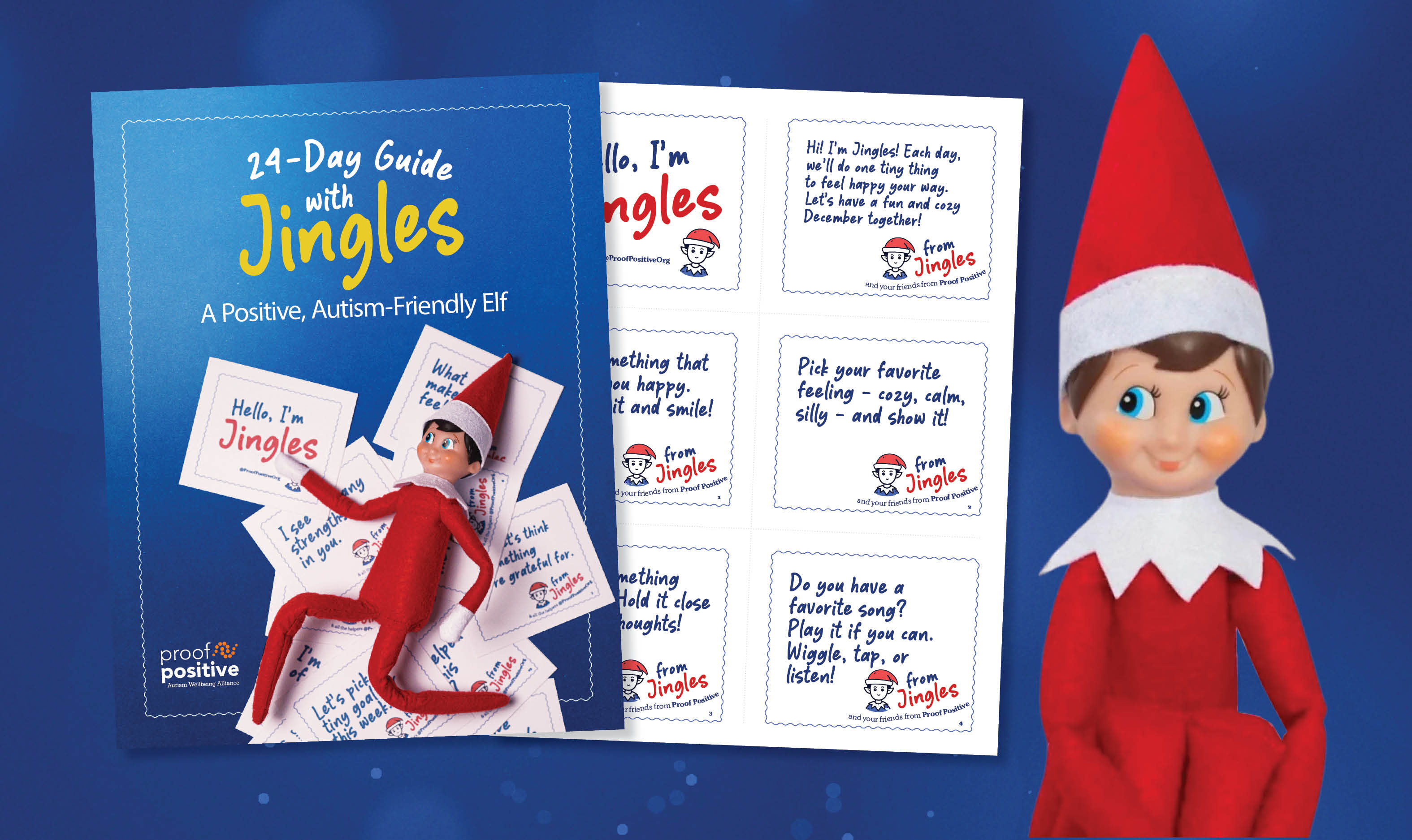
Bring more joy, connection, and calm to your classroom this December with this set of 24 Days of Happiness Elf Cards, an evidence-informed, autism-friendly, and sensory-supportive alternative to traditional Elf on the Shelf activities.
Designed especially for neurodivergent and autistic students in grades K–12, these printable, full-color cards offer low-prep, gentle, inclusive, and emotionally safe prompts that support social-emotional learning and classroom community without surprises, mischief, or behavior-based themes.
Here’s what you’ll get
- PDF Download (Full-Color)
- Visuals matched to each prompt
- Instructions for teachers
- Optional guidance for parents using the cards at home
- Tips for creating a calm, sensory-friendly routine
- 24 printable Elf Cards (4.25 x 3.675" size) with daily happiness-boosting activities.
Each card includes a short, student-friendly visual prompt. Use them in any order:
WEEK 1 — Positive Emotions
Day 1 — Finding Joy
Prompt: Invite the child to spot one thing that brings joy and share why.
Elf Card: Find something that makes you happy. Point to it and smile!
Day 2 — Favorite Feeling
Prompt: Help the child choose and act out a favorite holiday feeling (e.g., cozy).
Elf Card: Pick your favorite feeling — cozy, calm, silly — and show it!
Day 3 — Happy Reminder
Prompt: Encourage the child to hold or look at a favorite object/photo.
Elf Card: Choose something you love. Hold it close — happy thoughts!
Day 4 — Sound of Joy
Prompt: Play a favorite song clip and join in movement if they want.
Elf Card: Do you have a favorite song? Play if you can.. Wiggle, tap, or listen!
Day 5 — Share a Smile
Prompt: Model a warm, gentle smile; celebrate any shared moment.
Elf Card: Share a tiny smile with someone today!
Day 6 — Tiny Celebration
Prompt: Help the child pick a movement that brings them joy.
Elf Card: Do a movement that makes you happy - shake, jump, dance!
WEEK 2 — Strengths
(Character Strengths + Strengths Spotting)
Day 7 — Strength Naming
Adult: Name a strength if child needs support choosing one.
Card: Look towards each other and say: “I am ___!” (kind, brave, funny…)
Day 8 — Strength in Action
Adult: Prompt one tiny strength behavior (leadership, honesty, curiosity, creativity).
Card: What strength can you use today? Show your superpower!
Day 9 — Strengths in Others
Adult: Model noticing a strength in someone nearby.
Card: Tell someone one thing they’re great at!
Day 10 — Holiday Strength
Adult: Help identify a strength they’re using this season.
Card: What strength helps you in December? Creativity? Kindness? Forgiveness?
Day 11 — Strengths Hunt
Adult: Prompt spotting strengths in a person or character.
Card: Find 3 strengths today — in yourself or others!
Day 12 — Strengths Celebration
Adult: Celebrate using a strength with a special word or gesture.
Card: Celebrate when you use one of your strengths today — “Yes!” or “Go Me!”
WEEK 3 — Gratitude
(What Went Well + Gratitude Letter)
Day 13 — What Went Well Share
Adult: Help the child name one good thing from today.
Card: Tell someone: “One good thing today was ____!”
Day 14 — Tiny Thank You
Adult: Teach/suggest a simple “thank you” moment.
Card: Say thank you for something small today.
Day 15 — Gratitude for Nature
Adult: Take a walk or stand in the winter air; notice nature around you.
Card: Name something you feel or see that you are grateful for.
Day 16 — Gratitude in Motion
Adult: Invite the child to show appreciation physically in a comfortable way.
Card: Give a thank-you high-five, wave, or fist bump!
Day 17 — Gratitude Note
Adult: Support drawing or speaking a mini thank-you message.
Card: Draw or say a one-sentence thank you!
Day 18 — What Went Well Replay
Adult: Ask what moment they enjoyed today.
Card: What was a good moment for you today? What positive emotion did you have?
WEEK 4 — Relationships
(Showcase the Good + Permission to Play)
Day 19 — Be a Joy Multiplier
Adult: Model active interest and engagement.
Card: Ask someone: “What was the best part of your day?” And listen!
Day 20 — Play Your Way
Adult: Let the child choose any short, fun play activity.
Card: Pick a 2-minute play break. You choose!
Day 21 — Kind Words
Adult: Support choosing & delivering a compliment.
Card: Tell someone: “I like when you ___.”
Day 22 — Buddy Play
Adult: Join a quick cooperative play moment (ball roll, draw together).
Card: Play a tiny game with someone — like rolling a ball or coloring!
Day 23 — Sharing Connection
Adult: Encourage shared attention to something the child enjoys.
Card: Show someone something you like — a toy, picture, song!
Day 24 — Holiday Hug/High-Five
Adult: Let the child choose how to show connection — no forcing touch.
Card: Give a hug, high-five, fist bump, or wave — We did it!
Why you’ll love these activity cards
- Autism-friendly & sensory-safe (no pranks, no surprises, no overstimulation)
- Positive psychology–informed practices that build joy, calm, connection, and regulation
- Low-prep / no-prep — print, cut, and go
- Can be used whole-group, small-group, individually, or as morning warm-ups
- Supports SEL standards, emotional regulation, and classroom belonging
- A gentle, inclusive alternative to Elf on the Shelf
Ways to use
- Use as daily morning meeting warm-ups
- Add to visual schedules as the “Happiness Activity of the Day”
- Place cards in a sensory corner
- Let students draw a card from a bowl
- Use as individual supports during high-stress days
- Add to group counseling or SEL rotations
Perfect for:
- General education classrooms
- Resource/special education settings
- Autism programs
- School counselors & social workers
- Behavioral health staff and paraprofessionals
- Home use for parents & caregivers
SEL & Positive Psychology Alignment
These cards support key social-emotional competencies:
- Emotional awareness & regulation
- Mindfulness and grounding
- Positive affect and mood boosting
- Social connection & belonging
- Gratitude & self-appreciation
- Resilience-building
Parent & Caregiver Directions (Included in the PDF)
This resource can also be used at home as a gentle daily routine for December.
Parents can:
- Pick one card each morning or evening
- Use them as calm-down prompts
- Start discussions about emotions, strengths, and joy
- Pair prompts with sensory tools or movement breaks
- No elf doll required — families can simply enjoy the activities.
What is Gratitude?
Has anyone ever told you to “be grateful for what you have” or “count your blessings?” Maybe your parents or grandparents reminded you to pay attention to the good things in life, frequently say thank you, and appreciate what you have. As a teacher, you may have told your students, “Focus on your successes.” Here, we present a case of science catching up to the old adage.
Science of Gratitude
Research shows that practicing gratitude can profoundly impact individuals and groups. It turns out that the advice to focus on the good things each day has many benefits, ranging from physical health to mental wellbeing.
Learn more about the science of gratitude
What are Positive Emotions?
There’s more to feeling good than just happiness. Feeling a frequent healthy dose of each of the positive emotions is critical to the human experience. It helps us develop the mental, physical, and social resources we need to thrive and flourish.
Science of Positive Emotions
Scientific evidence finds that even little moments of joy throughout the day add up to greater physical and mental wellbeing. People who experience positive emotions think better, perform better, and feel better.
Learn more about the science of happiness and positive emotions
Looking for more SEL resources?
- Explore the free full lesson plans and unit studies on happiness skills at our Skill Center. All units include teaching slides, additional worksheets and activities, and even IEP and BIP recommendations tailored specifically to students with autism.
Proof Positive’s resources are and will always be free. Be well!