. Skip to main content
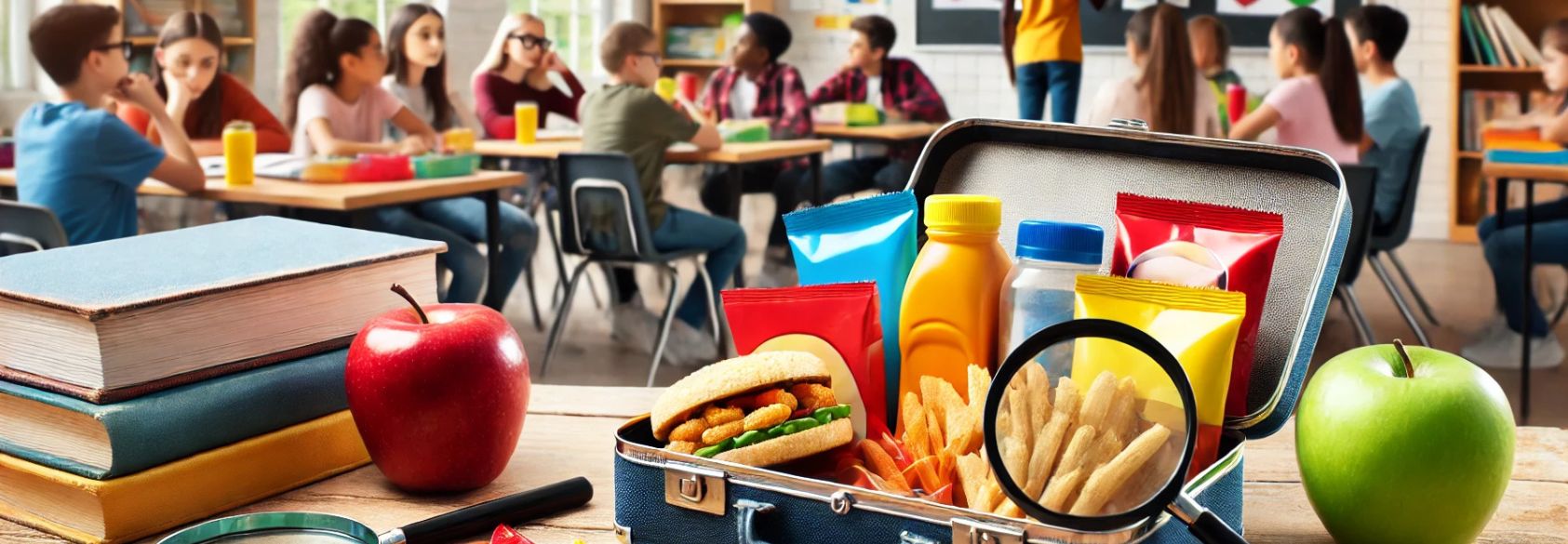
A classroom scene with middle and high school students analyzing snack packaging as part of a nutrition education project. An open lunchbox on a desk contains brightly packaged snacks, and a magnifying glass highlights ingredients. The background shows students engaging with a bulletin board on artificial food dyes and healthy food choices.

This lesson gets students thinking about artificial food dyes, how school policies shape what’s on their lunch trays, and how they can make smarter choices.

West Virginia Bans Artificial Food Dyes in Schools

April 21, 2025

West Virginia Bans Artificial Food Dyes in Schools

Should state laws determine what's served in school lunches? West Virginia's new legislation bans certain artificial food dyes in school meals, aiming to protect children's health. This lesson encourages students to explore how such policies impact their daily choices and well-being.​

Share

Share On Facebook
Share On Twitter
Share On Pinterest
Share On LinkedIn
Email

Understanding the Artificial Food Dye Ban in Schools

What’s in your lunchbox—and should it be?

In 2025, West Virginia became the first state to pass a law that will ban artificial food dyes and preservatives in school meals. This bold new law targets ingredients linked to health concerns like hyperactivity and cancer and is part of a growing national conversation about student health, food safety and nutrition education.

This lesson engages students in critical thinking and media literacy as they explore the health effects of food additives, the government’s role in public health, and how to make informed dietary choices. As an extension, students become “snack sleuths,” analyzing real snack labels to uncover hidden dyes and preservatives. Their discoveries are showcased in a classroom display called Truth in the Lunchbox—a visual, student-led bulletin board that highlights harmful ingredients, promotes healthier swaps, and encourages advocacy for smarter school snack choices. Watch the video below to get started.

Remote video URL

Key Discussion Points

What’s Happening?

Why It Matters: Food Additives and Student Health

  • Dyes are found in everyday snacks—candies, cereals, sodas and more.
  • Some research links artificial dyes to hyperactivity in children, and studies in lab animals have linked dyes to cancer.
  • Supporters say bans protect children’s health. Critics argue about costs, access and government control over food options.

Discussion Questions

  1. What do you think about West Virginia’s decision to ban artificial food dyes in schools?
  2. Have you looked at the ingredients in your favorite snacks? What did you find?
  3. How might this food dye ban affect students, families and schools?
  4. Should other states adopt similar nutrition laws? Why or why not?
  5. What can students do to make informed, healthy food choices?

Media Literacy

  1. What information does the video include—and what might be missing?
    • Consider voices not heard (e.g., students, food manufacturers, parents).
  2. How does the video’s tone affect how you feel about the issue?
    • Is it neutral, urgent or persuasive?
  3. What evidence is shared to support the food dye ban?
    • Examine references to FDA decisions or health studies.
  4. Who is the intended audience, and how is it tailored for them?
  5. How can we fact-check claims about health risks and food safety?
    • Look at FDA.gov, peer-reviewed studies, or health organizations.

Extension Activity: Snack Sleuths

Help students become label-literate by examining their favorite snacks and identifying the presence of artificial food dyes, preservatives or healthier alternatives. Then, turn their discoveries into a classwide visual display.

Part 1: Snack Sleuth Investigation

  • Ask students to bring in a snack label or take a photo of one from home.
  • Have them investigate:
    • Are any artificial dyes (like Red 40, Yellow 5, Blue 1) listed?
      Are there banned or controversial preservatives?
    • Can students find a healthier version of this snack?
  • Have students fill out a short worksheet or graphic organizer:
    • Snack Name
    • Artificial Additives?
    • Healthier Alternative?
    • Would You Still Eat It? Why or Why Not?

Part 2: Truth in the Lunchbox—Classroom Display

Create a bulletin board or hallway display that visually highlights students’ findings.

Display Sections Could Include:
  • 🔴 Red Alert Zone—Snacks with artificial dyes or banned ingredients
  • 🟡 Think Twice Shelf—Snacks with unclear or mixed ingredients
  • 🟢 Smart Snack Swaps—Student-recommended healthier options
  • 📸 Snack Label Gallery—Photos of real snack labels with ingredients highlighted
  • 💬 Student Voice Bubbles—Reflections, reactions, or calls to action

You could even create a classroom or school-wide version of a “Better Lunchbox Challenge” where students advocate for cleaner labels and smarter choices.

Andy Kratochvil
Andy Kratochvil is a proud member of the AFT Share My Lesson team, where he’s passionate about discovering and sharing top-tier content with educators across the country. He earned his bachelor’s degree in political science and French from California State University, Fullerton, and later completed... See More
Advertisement

Post a comment

Log in or sign up to post a comment.